How biomass pellets are shaping the future of clean industrial energy and reducing dependence on fossil fuels.
Why the Shift to Biomass Pellets?
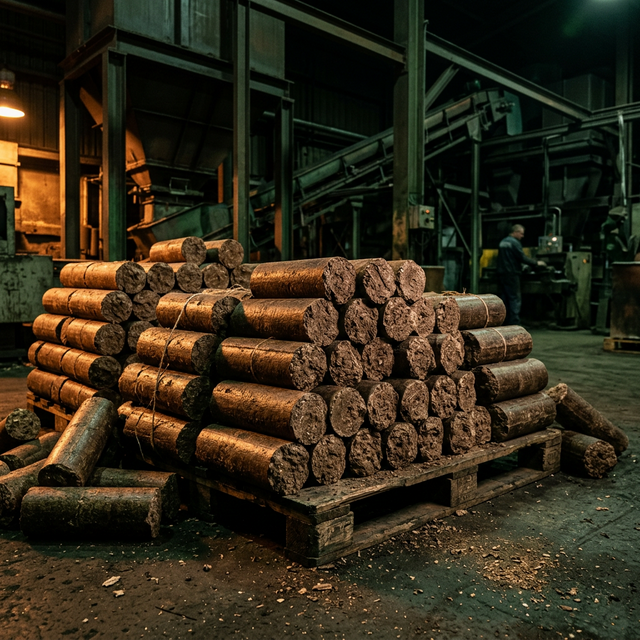
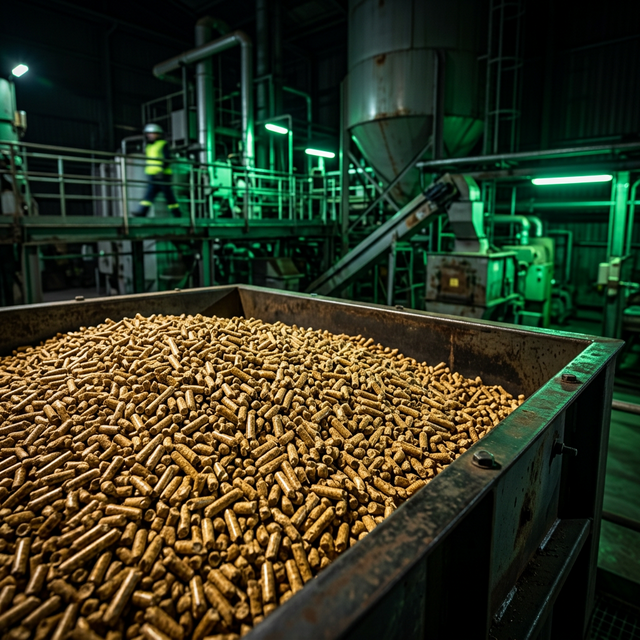
As industries worldwide face stricter emission norms and rising fossil fuel costs, biomass pellets have emerged as a reliable, scalable alternative. Made from compressed organic matter — wood waste, agricultural residues, and sawdust — these uniform pellets deliver high calorific value (4000 ± 200 Kcal/kg) with minimal ash and superior combustion efficiency. Unlike raw biomass, pellets are dense, easy to store, and compatible with automated feeding systems, making them ideal for modern industrial boilers and co-firing in thermal power plants.
- Lower carbon footprint compared to coal and conventional fuels
- Stable, predictable pricing with domestic supply chains
- Compliance with PCB and other environmental regulations
- Drop-in replacement in many existing boiler systems
Industrial Applications
From district heating and pellet-fired boilers to co-firing in coal-based power plants, biomass pellets are versatile. Industries use them for process steam, space heating, and combined heat and power (CHP). The uniform 6–8 mm size ensures consistent flow in automated feeders, reducing manual handling and improving safety. Thermal power plants in India and abroad are increasingly blending pellets with coal to cut emissions without major capex.
- Pellet-fired industrial boilers and steam generation
- Biomass co-firing in thermal power plants
- District heating and commercial pellet stoves
- Residential and hospitality heating solutions
Key Benefits for B2B Buyers
For procurement and operations teams, biomass pellets offer measurable advantages: consistent GCV and moisture specs (e.g. under 10% moisture, under 5% ash), ENplus and ISO-aligned quality, and flexible packaging from 15 kg bags to bulk jumbo bags. Supply chain reliability and traceability are critical for continuous operations — partnering with certified suppliers like Shakti Sphere ensures on-time delivery and spec compliance.
- High energy density — 4000 ± 200 Kcal/kg GCV
- Low ash (under 5%) — less maintenance and disposal
- Automated feeding — reduced labour and downtime
- Bulk and bagged options for varied demand
The Road Ahead
Policy push for renewable energy, carbon pricing, and corporate sustainability targets will keep driving demand for biomass pellets. Advances in pellet production — including use of agro-residues and stricter quality standards — will make pellets even more competitive. For Indian industries, local availability of raw material and a growing pellet supply chain position biomass pellets as a cornerstone of the transition to clean, sustainable energy.